
By Mike Daemon
Nnena was twenty-four when the police took her away.
It was a humid December evening in Port Harcourt, Nigeria. Neighbours watched as officers led the quiet young woman into the back of a pickup truck outside the small room she rented near the waterfront. Someone whispered that she had been caught in a “woman-to-woman relationship.” Others said her former boyfriend had gone to the police himself.
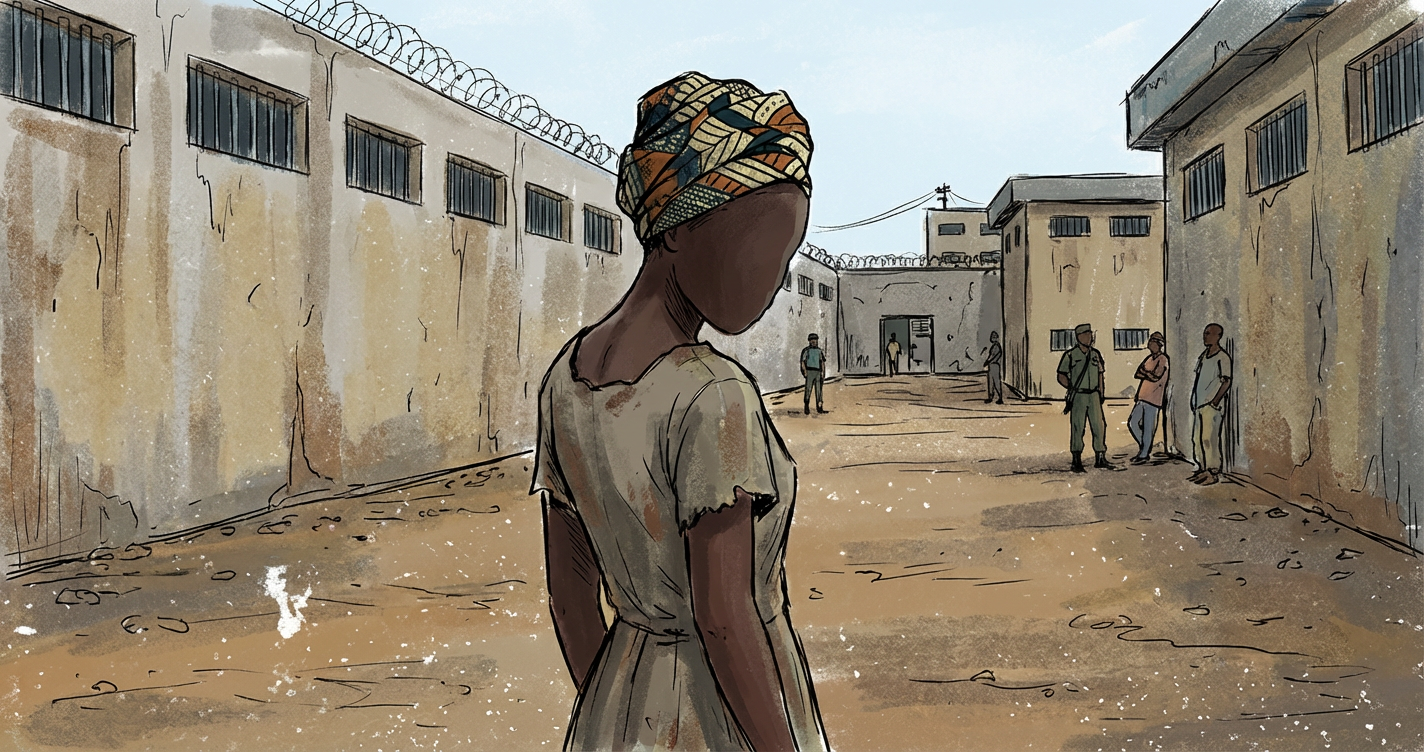
Illustration created by the Orieateai AI program.
Since that night four months ago, Nnena has remained in prison while her case moves slowly through the court system. She has no lawyer. No bail has been set.
She had already spent more than a month in police custody before the case reached court.
“I keep thinking maybe they will realize this is a mistake,” she said quietly during a brief conversation in the prison yard. “I did not harm anyone.”
Growing up without much
Nnena grew up in a small village in southeastern Nigeria, the kind of place where red earth roads turn to mud during the rainy season and electricity arrives only on good days. Her father died when she was still in primary school. After his death, her mother struggled to keep the household together.
They farmed cassava behind their compound. Sometimes her mother fried akara by the roadside in the mornings to earn a little extra money.
Even as a child, Nnena was known for being reserved. She preferred helping her mother at home or reading old schoolbooks that relatives passed down.
“I used to think I would become a teacher,” she once said. “I liked school. It was the place where things felt calm.”
But the death of her father changed the direction of her life. School became irregular. Fees were difficult to pay. By the time she finished secondary school, the pressure to contribute to the family had already begun.
A relationship she did not choose
Not long after, a man from a nearby town began helping the family. He was older and had a small transport business. According to people who knew the family, he often brought food or paid small bills when things became difficult.
Nnena’s mother began encouraging her to accept his advances.
In many rural communities, the logic is simple. A man who can provide stability is considered a blessing. Emotional attachment is often treated as secondary.
Nnena resisted at first. Friends from the village say she never seemed comfortable around him. Still, her mother insisted.
“She told me it was the only way our life would get better,” Nnena said.
The relationship continued for years. The man believed he would eventually marry her.
But during that same time, Nnena had quietly formed a close bond with another young woman in the community. They had grown up around each other. What began as friendship slowly deepened into something neither of them openly discussed with others.
In the village, such feelings are rarely spoken about.
“She understood me in a way nobody else did,” Nnena said. “When I was with her, I felt like myself.”
A secret discovered
After Nnena’s mother died last year, the fragile arrangement that had held her life together began to fall apart. Without her mother’s pressure, she decided to end the relationship with the man who had been supporting the family.
According to her account, the breakup angered him.
A few weeks later he seized her phone during an argument. Inside it he found messages between Nnena and the woman she loved.
He went to the police.
Those who know the situation say he felt humiliated. After years of financial support, he believed he had been deceived.
“He said she wasted his time,” a neighbour recalled. “He wanted her punished.”
Arrest and detention
Police arrested Nnena soon after.
She says the first night in custody was the most frightening moment of her life. A police officer on duty assaulted her in the station after she was brought in. She has spoken about the incident in brief, halting sentences.
“I kept telling him I had done nothing wrong,” she said. “Nobody listened.”
She remained in detention for weeks before the case was formally charged in court.
Today she is held in the Port Harcourt prison, sharing space with dozens of other women while waiting for the legal process to move forward. She has no legal representation. Her family connections are thin. Her mother is gone and her father’s relatives live far away.
Waiting
In prison she spends most of her days helping with chores and sitting quietly with other detainees in the courtyard.
Sometimes she talks about her childhood village. The cassava farm. The mornings when her mother woke her before sunrise.
Other times she simply waits.
“I just want my freedom,” she said softly. “I want to live my life without fear.”
For now, that life remains on hold while her case continues in court.
Mike Daemon, the author of this article, is the founder and publisher of NoStringsNG, Nigeria’s #1 media platform committed to advancing LGBT equality and providing resources for Nigeria’s LGBT community.

COMMENTS